
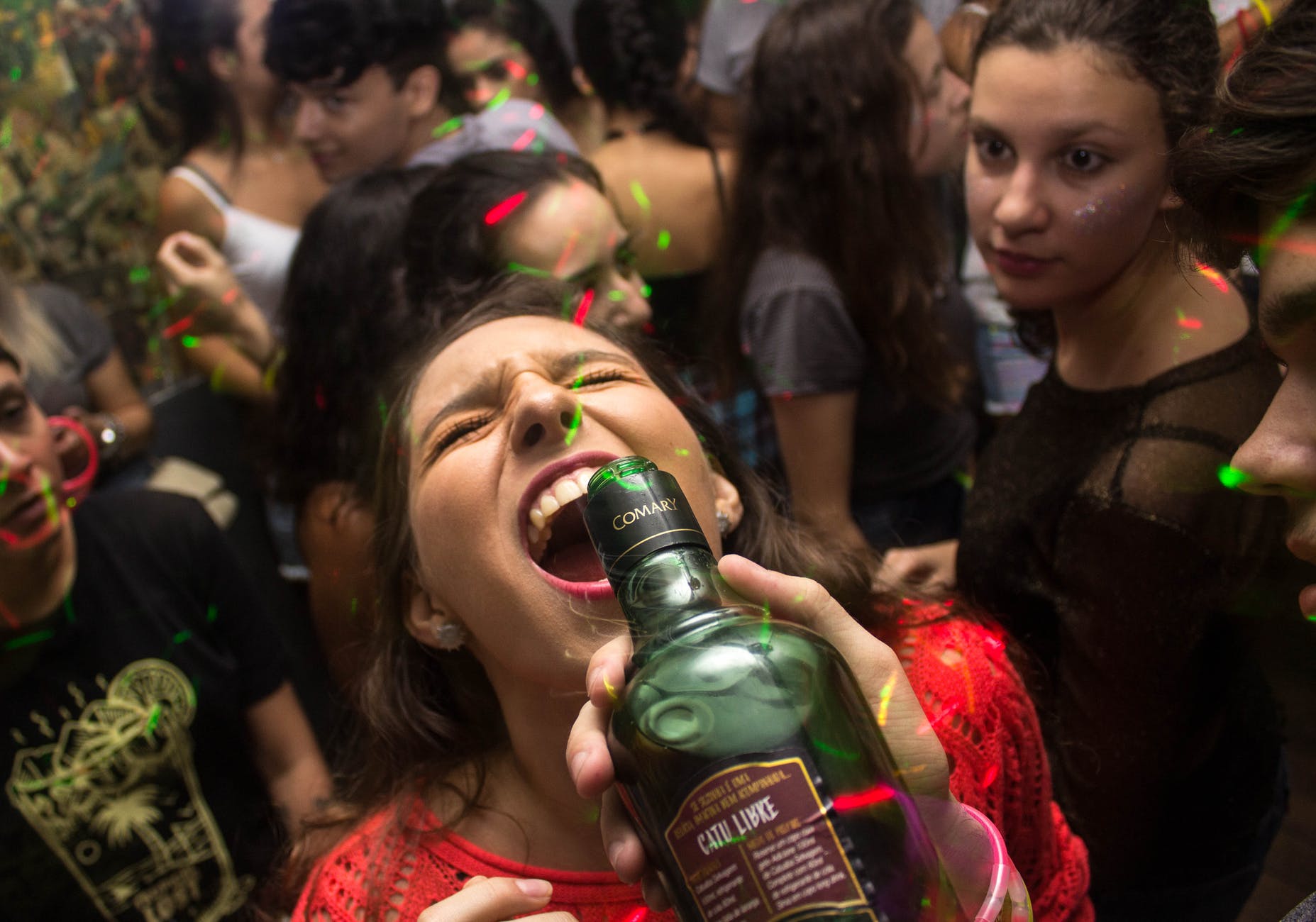
For years the Franklin Stove Blog (FSB) has posted about the troubles brought on by T-Town‘s bar culture.
It’s not what Alfred, Lord Tennyson had in mind in his poem Crossing the Bar:
Sunset and evening star,
And one clear call for me!
And may there be no moaning of the bar,
When I put out to sea,
But such a tide as moving seems asleep,
Too full for sound and foam,
When that which drew from out the boundless deep
Turns again home.
Twilight and evening bell,
And after that the dark!
And may there be no sadness of farewell,
When I embark;
For tho’ from out our bourne of Time and Place
The flood may bear me far,
I hope to see my Pilot face to face
When I have crost the bar.
But it seems as if the City Council is about to make some bar owners cross.
The Patch‘s Ryan Phillips wrote about the Council’s discussion about a temporary moratorium:
The Council’s Public Safety Committee discussed the resolution during a special called meeting Tuesday and the first of two public hearings for two recent applicants will be held Tuesday night during the regular council meeting.
According to the resolution, the current workload for TPD has reached a point where its resources are stretched too thin to effectively address public safety issues associated with increased alcohol-based establishments. What’s more, Tuscaloosa Police Chief Brent Blankley has said that the required mandatory overtime and long hours for the city’s police officers to address these public safety issues have increased the present difficulty to recruit and retain police officers
Ultimately, city leaders believe suspending conditional use applications for bars and gastropubs will provide an opportunity to evaluate the impact of these establishments on the community and consider appropriate regulations to mitigate adverse effects. If passed, the resolution would go into effect immediately and would expire on Jan. 1, 2024, unless otherwise acted upon by the Council.
A June 13th, 2023 article about the possible moratorium on new bars and gastropubs by Tuscaloosa News‘ Mark Hughes Cobb quotes Council Member Lee Busby:
“The people of the city, they’re going to feed us what we need to know during that period; I guarantee it. The people in this city are going to let us know whether this is what they want, and want more of, or do they want more bars. They will let us know.”
The problem that T-Town has had with bars is mostly due to the bars on the edge of campus that cater to University of Alabama students, and other young people. Many of them are not of legal drinking age.
The “people of the city,” if that index would apply only to permanent residents, would likely approve of anything the city did to curtail the problems associated with campus watering holes.
The FSB reported in 2019 about the political dynamic that began with the election of Council member Lee Garrison:
In 1997 Lee Garrison was the first student elected as a District Four Council member. A December 28, 1997 Tuscaloosa News article “Election Contested” described the election challenge that Garrison’s opponent filed:
What is a resident? That has become the central issue that could decide whether Councilman Lee Garrison retains the Tuscaloosa City Council District 4 seat he won by 84 votes in the August election. Opponent Don Brown contested the election claiming Garrison benefited from the illegal votes, largely cast by students who don’t need residency requirements.
A University of Alabama senior and former Inter-fraternity Council President, Garrison and his forces registered hundreds of college students to vote. One of the issues became whether students or permanent residents could control the district election.
Another FSB post was about the notorious 2013 contest, where Lee Garrison successfully ran for chair of the local school board:
The Greeks now own the dubious honor of controlling Tuscaloosa’s District Four. In 1997 an undergraduate student who was President of the University’s Inter-fraternity Council Lee Garrison was able to secure a seat on the Tuscaloosa City Council with the help of The Machine Vote at the University. Coming from a well known Tuscaloosa family Garrison garnered support from families living in its Historic District neighborhoods, as well as the support by University students in the Greek system.
In his first year on the Council Garrison attempted to use The Machine’s vote to prevent the School Board from becoming an elected body by adding a “straw poll” on alcohol use to the referendum on electing the board. His last minute effort to register students was the subject of a 1998 story in the Tuscaloosa News in which the AEA representaive Walt Maddox, who successfully ran for a seat on the Council in 2001 and for Tuscaloosa’s Mayor in 2009, was quoted.
“It’s no coincidence, Maddox said, “that the nonbinding referendum votes include alcohol sales. That would be the single most motivating factor to bring college students to the polls. It is also no coincidence that Mr. Garrison. who serves on the City Council, is registering voters to vote not only on the alcohol issue but also on the elected board referendum. I would imagine that Mr. Garrison is instructing the students to vote against an elected school board.”
There’s one thing that will draw the student vote out–alcohol. Whether it’s the promise of free booze or alcohol use issues, a coterie of students will come out to vote. And, in T-Town‘s municipal elections, only a relatively small number of votes can make a difference.
An interesting YouTube video describes the effect of alcohol.
This is what happens to your brain on alcohol. It’s obvious alcohol affects the brain – but even though it seems to affect everyone differently, there are a few chemical reactions that alcohol is stimulating in everyone’s body while they’re tying one on. Things may get a little blurry as Neuroscience Ph.D. candidate Shannon Odell takes you through what’s scientifically happening as she continues to drink.
Of course alcohol affect the brains of younger drinkers in a more profound way. A FSB post concerned the effects on booze in the student brain. Students commonly engage in binge drinking:
“Early binge drinking can have long-lasting and significant effects on the brain, and the results of this study offer evidence that gene editing is a potential antidote to these effects, offering a kind of factory reset for the brain, if you will,” said study senior author Subhash Pandey, the Joseph A. Flaherty Endowed Professor of Psychiatry and director of the Center for Alcohol Research in Epigenetics at UIC.
The bars may just be “too full for sound and foam.” If the Council takes steps that will have “crost the bar,” will “such a tide as moving seems asleep” impact T-Town‘s politics?
 franklinstoveblog
The Tuscaloosa News‘ Jasmine Hollie reported, “The Tuscaloosa City Council on Tuesday approved a moratorium that suspends the approval of conditional use applications for bars, taverns and gastropubs through the end of the year.
“Lee Busby of District 4 said the Tuscaloosa City Council will closely monitor the reaction to the moratorium.
“‘The people in this city are going to let us know whether this is what they want, and want more of, or do they want more bars. They will let us know,’ Busby said June 13.”